
When a restaurant refrigerator stops cooling, quick, organized action can help protect food and make it easier to decide what to keep. Check temperatures with a reliable appliance thermometer, keep doors closed, and record what you observe. Avoid judging safety by smell or appearance alone. The steps below help you manage food while arranging repairs and determine when products need to be discarded. Follow local health department requirements and your food safety plan whenever they set stricter rules.
Check and Record Temperatures
Use a calibrated food thermometer to check the temperature of the refrigerator and representative food items. Measure potentially hazardous foods between packages or in the center of a product, following the thermometer’s instructions. Record the time, readings, affected unit, and any steps taken. A written record helps staff make consistent decisions and gives a refrigeration technician useful information about when cooling problems began.
Keep cold food at 41°F or below, unless your local rules or food safety plan require a stricter limit. A refrigerator display may not reflect the temperature in every area, so check more than one location when practical. If the unit is warming, move food to a functioning refrigerator or an insulated cooler with ice, then verify that the food stays at the required temperature.
Keep Doors Closed
Opening the refrigerator lets cold air escape and speeds warming. Tell staff which unit is affected, post a brief notice on the door, and stop routine access until you have a plan. If you need to retrieve food, decide what you need first and remove it in one organized trip rather than opening the door repeatedly.
Do not place hot food in an overloaded refrigerator to compensate for the failure. If transferring products, leave room for cold air to circulate and keep raw foods below ready-to-eat items in leakproof containers. Use coolers only when you can keep them closed, packed with enough ice or cold packs, and monitored with a thermometer.
Sort Food Safely
Separate food by temperature history, time, and type. Label containers with the time you moved them and their temperature, and keep raw meat, seafood, and poultry apart from ready-to-eat food. Use clean utensils and containers, and discard products exposed to leaking raw juices or other contamination. Never taste food to decide whether it is safe.
If refrigerated food has been above 41°F for an unknown period, or you cannot verify how long it was out of temperature control, do not serve it until a responsible manager checks applicable food safety rules. Discard food when required by those rules or your approved safety plan. Do not rely on smell, appearance, or reheating to make questionable food safe.
Arrange Repairs and Prevent Repeat Issues
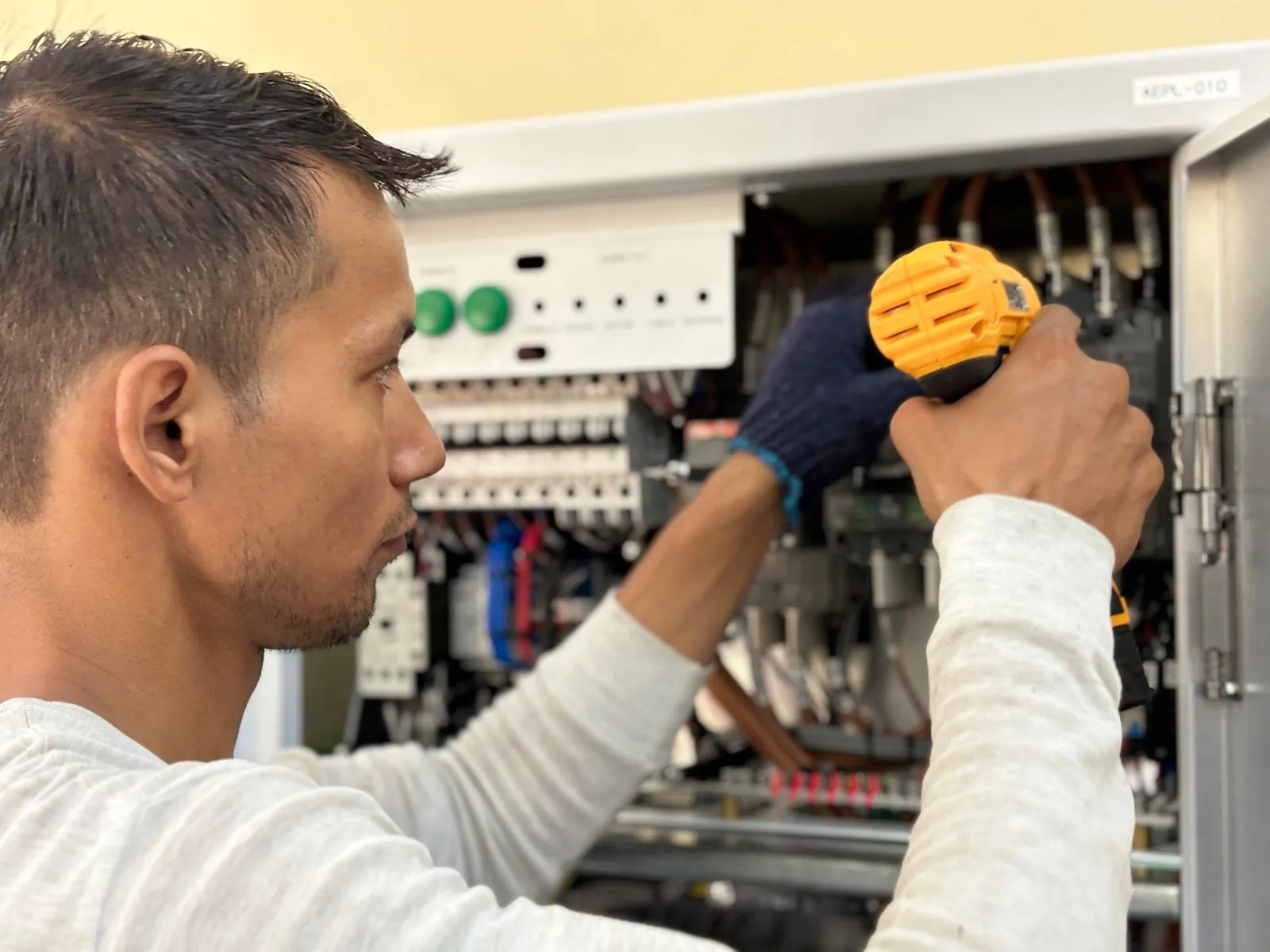
Once food is protected, contact a qualified refrigeration repair specialist and share the temperature log, equipment model, symptoms, and any unusual noises or leaks. Avoid repeatedly resetting the unit or attempting electrical repairs. Keep staff away from damaged wiring, refrigerant lines, and standing water near electrical equipment.
After service, verify that the refrigerator returns to its required temperature before restocking it fully. Review the incident with staff: confirm where backup thermometers and coolers are stored, who makes discard decisions, and how to record readings. Harbor Cold Service assists restaurants in Long Beach with refrigeration repairs; arrange service through your usual provider or contact the business.
During a refrigerator breakdown, monitor temperatures, reduce door openings, and make food decisions from records and applicable safety rules—not guesswork. Move products only to monitored cold storage, keep contaminated items separate, and arrange qualified repairs promptly. Review your response plan with staff so everyone knows the next steps when a unit stops cooling.